
How to Make Your Table Cozy Without Buying Anything New
Published on 14 min readHome Decor and LifestyleCompare AI models
You can make your table cozy using only what you have at home. The key is choosing up to three personal meaningful objects, organizing practical items in groups, and adding a simple handmade touch, like a folded napkin. This method works because it combines emotional meaning with functionality, no need to buy anything. In practice, you just need to rearrange what you already own, creating a visual hierarchy that turns an ordinary table into a space with personality and comfort.
How to choose household objects with emotional meaning?
An object with emotional meaning is one that, to you, is linked to a good memory or a positive feeling. It doesn't need to be valuable—just carry a story. The difference between decorating and making something cozy lies in this personal connection.
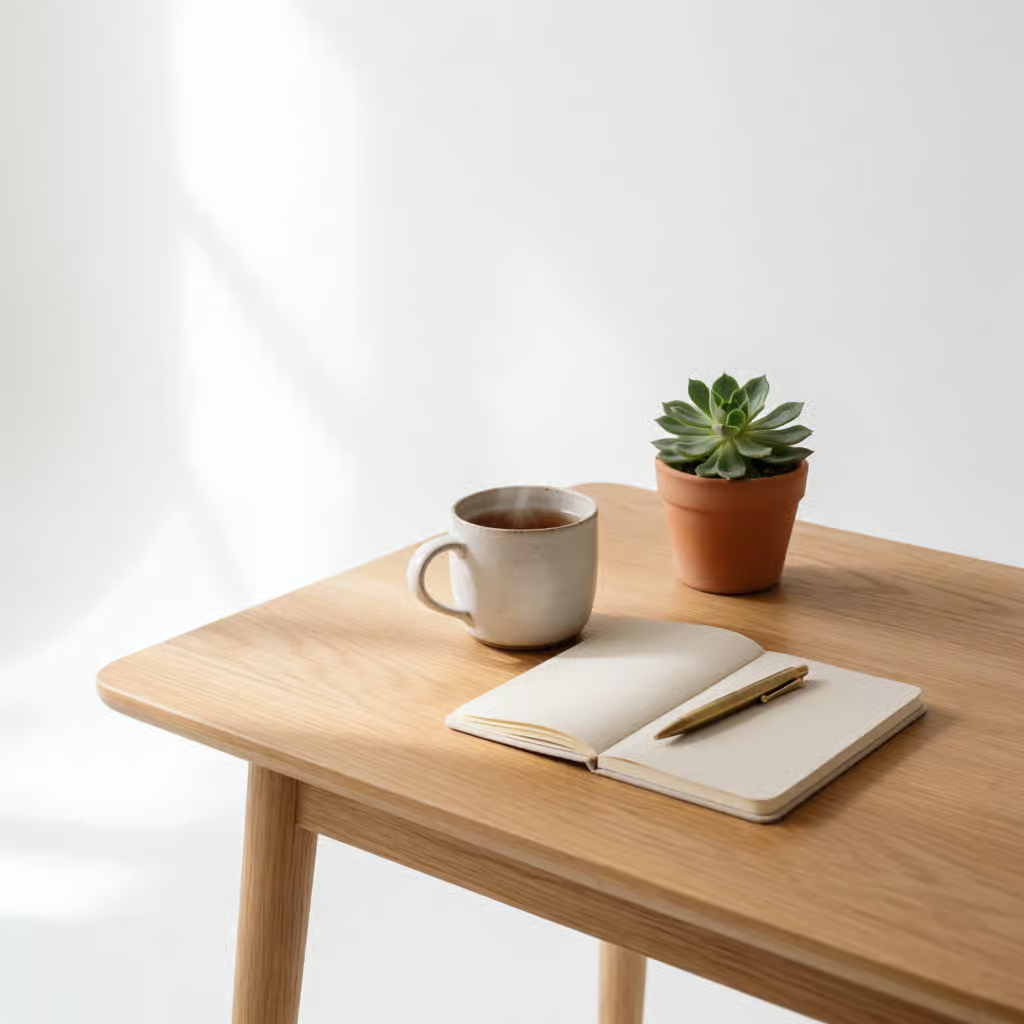
I always choose a specific mug I received as a gift. It reminds me of that birthday and makes even a simple morning coffee more special, even if it's just a regular breakfast. Using it transforms the moment.
A book you really like also works as an affectionate object. It could be a poetry book you read before bed or that romance novel that marked a phase. Just having it on the table creates a warm, calm atmosphere, suggesting pause and pleasure.
A small framed photo is an instant reminder. Choose one from that family trip or a happy moment with friends. The image acts as a focal point that evokes feelings of connection and belonging without words. To go deeper on this point, see How to Keep Yarn from Tangling While Crocheting Without Frustration.
A plant you cultivated yourself brings life and a sense of care. I have a succulent I've had for two years. Putting it near me during meals reminds me of the growth process and brings a subtle sense of accomplishment. The common mistake here is choosing an object just because it's pretty, but it means nothing to you. If there's no connection, it's just another decoration.
How to organize practical items to increase coziness?
Practical items are those you actually use daily: salt shaker, pepper grinder, napkins, place card holder. They're essential, and how they're arranged determines if the table is functional or chaotic.
The organization that really works is based on grouping by function. Instead of spreading each item around, group them. Put salt and pepper next to each other in a corner of the table. Place napkins in a small pot or tube, positioned near the plates. Grouping related items creates "use zones," making everything within reach and conveying a sense of order and predictability—one of the bases of coziness.
I always place these practical groups on the table edges, mainly in the top corners or along the sides. This frees up the center of the table—the most visually prominent point—for the chosen special object or a handmade centerpiece. This hierarchy is fundamental: it avoids visual overload and directs the eye, making the table look cared for and intentional, not just cluttered with things.
A detail that makes a difference is using the actual containers of practical items to your advantage. An empty, well-washed jelly jar can turn into an elegant napkin holder. A mug with a small defect can hold serving spoons. This way, even the utility item contributes to the aesthetics.
How to create artisanal elements using household items?
Artisanal elements are small handmade touches using materials you already have at home. They bring a unique, personal quality that store-bought items rarely achieve. The goal isn't perfection, but the gesture and texture it adds.
A specially folded napkin is the most accessible example. A simple fold in a fan shape or a basic flower shape already breaks the monotony of a flat napkin. The beauty lies in being ephemeral and made for that specific meal.

For a natural centerpiece, you don't need expensive arrangements. Just spread some dried leaves you picked from the garden or balcony over a rarely used flat plate. Pinecones, smooth stones, or even dried orange peels can set the scene. The effect is immediate and brings a piece of the outdoors inside, creating an organic atmosphere.
I learned a simple flower fold in a few-minute video and started incorporating it almost every day. It turned into a quick one-minute ritual that, besides personalizing the table at the moment, works as a small creative break that relaxes. The common mistake here is trying something too complex the first time and getting frustrated. Start with the basics—a fold, a branch in a glass—and let complexity come with practice.
What is the step-by-step to set up the table?
- Select your meaningful objects. Choose up to three items that truly bring a good memory. More than that is a common mistake—the table loses focus and looks like a cluttered showcase or shelf. Define these main items before anything else.
- Organize practical elements in groups. Gather everything you'll use for the meal: seasonings, utensils, napkins. Don't spread them out; create functional sets. The salt shaker and pepper grinder should be together. Napkins, with cutlery or in their own container. Think about making it easy for the person at the table to move around.
- Create a simple artisanal element. Spend two minutes on a handmade touch. It could be folding the napkin, a branch with leaves in a glass of water, or arranging dried leaves on the center plate. If it's your first time, don't try a complex sculpture. Intentional simplicity is cozier than complexity.
- Adjust the layout with access and sight in mind. Do a final test. Sit in the chair and check if you can grab the salt shaker without stretching your arm over the center of the table or knocking something over. Notice if the eye is naturally drawn to the special object you chose. Functionality should never be sacrificed for aesthetics; when done well, one enhances the other.
What are the most common mistakes and how to recognize if you're making them?
The most frequent mistake is cluttering the table with things in an attempt to make it more "decorative." The symptom is clear: the table looks cluttered, messy, and hard to use. You need to move three objects to reach the salt. The correction is radical: apply the limit of three main meaningful objects and group the rest. I tested putting five special objects and the result was visually tiring; when reducing to three, the table immediately "breathed" and the charm of each individual item could be appreciated.
Another slip is setting the table only with decorative objects, completely forgetting function. The result is a beautiful scene, but useless for a meal. The table looks like a magazine spread, not real life. The solution is to always mix practical and emotional elements. Instead of putting just a pretty photo, place it next to the salt and pepper set. Instead of a purely ornamental centerpiece, use a plate that can also serve bread. This way, beauty gains a tangible reason to exist.
In my experience, the method fails when you skip the planning step and start placing objects randomly on the surface, hoping it works. If you don't define a place for practical groups and the emotional focal point before starting, the final result will be a chaotic, unstructured mess. You'll know you made this mistake when, at the end, the table looks balanced but, when using it, nothing is really within reach. The tip is: decide the corners for use items and the center for the special one *before* placing anything.
How to adapt the organization for different occasions?
The table setup should be flexible and adapt to the moment. For daily use, simplicity and speed are priorities. For a special occasion, you can invest a bit more time and layers, but keeping the same basic logic.
To visualize the adaptations, a table helps compare the needs of each situation:
| Occasion | Emotional Elements | Practical Elements | Main Focus |
|---|---|---|---|
| Daily meal (coffee, quick lunch) | 1 object (e.g., a favorite mug or small photo) | Daily use items, minimal and well-grouped for quick cleaning. | Functionality and practicality above all. Coziness comes from order and the familiar object. |
| Dinner with guests or weekend | Up to 3 objects (e.g., special mug, book, plant) | Collective use items, organized in pots or supports that are easy to pass around. | Create a welcoming, cared-for atmosphere, balancing beauty and utility for the group. |
In daily life, a single personal object is more than enough. It could be your favorite mug at breakfast. The full focus is on practicality and quick comfort. Practical groups should be even more consolidated, maybe using a small tray to concentrate the salt shaker, pepper grinder, and oil, making cleanup easier afterward.
To receive visitors or for a special family dinner, you can use the maximum of three meaningful items. This creates layers of visual interest and shows care and personality. Practical items like salt and pepper should be in containers that all at the table can identify and use easily, maybe a pepper grinder on the table or a salt shaker with a lid for easy use. Functionality must be maintained even in a more elaborate moment, as nothing is less cozy than a guest who can't season their food.
The next step is to experiment with what you have now. Don't wait for the weekend or a special occasion. At your next coffee or lunch, choose a personal object with a story, arrange the salt and pepper shakers together in a corner, and try a simple napkin fold. The effect on the feeling of the moment is immediate, and the cost is zero—it's just a new way to see and use what's already in your home.
*This text is for informational purposes and shares a practical approach to home environment. For specific interior design or professional organization questions, consult a specialist in the field.*
Frequently Asked Questions
Do you need all three types of element (emotional, practical, and artisanal) for the table to be cozy? No, you don't need all three. The most important element is emotional meaning, as it creates personal connection. A table with a single special object and well-grouped practical items is already much cozier than one that's just decorated. The artisanal touch is an extra you add when you have time or desire, like a cherry on top.
What to do if you don't have any object you consider special or with a memory? Start with something that simply brings you pleasure to use. It could be a favorite colored mug, a plate with a pretty design, or even a book you've been wanting to read. Use that item on the table for a few days. Often, meaning is built through use, because you start associating that object with good meal moments. The memory is being created now.
Read also
- incentivar hobbies criativos em crianças
- substituir telas por atividades criativas para crianças"} } } } } } } } } } } } } } } } } } } } } } } } } } } } } } } } } } } } } } } } } } } } } } } } } } } } } } } } } } } } } } } } } } } } } } } } } } } } } } } } } } } } } } } } } } } } } } } } } } } } } } } } } } } } } } } } } } } } } } } } } } } } } } } } } } } } } } } } } } } } } } } } } } } } } } } } } } } } } } } } } } } } } } } } } } } } } } } } } } } } } } } } } } } } } } } } } } } } } } } } } } } } } } } } } } } } } } } } } } } } } } } } } } } } } } } } } } } } } } } } } } } } } } } } } } } } } } } } } } } } } } } } } } } } } } } } } } } } } } } } } } } } } } } } } } } } } } } } } } } } } } } } } } } } } } } } } } } } } } } } } } } } } } } } } } } } } } } } } } } } } } } } } } } } } } } } } } } } } } } } } } } } } } } } } } } } } } } } } } } } } } } } } } } } } } } } } } } } } } } } } } } } } } } } } } } } } } } } } } } } } } } } } } } } } } } } } } } } } } } } } } } } } } } } } } } } } } } } } } } } } } } } } } } } } } } } } } } } } } } } } } } } } } } } } } } } } } } } } } } } } } } } } } } } } } } } } } } } } } } } } } } } } } } } } } } } } } } } } } } } } } } } } } } } } } } } } } } } } } } } } } } } } } } } } } } } } } } } } } } } } } } } } } } } } } } } } } } } } } } } } } } } } } } } } } } } } } } } } } } } } } } } } } } } } } } } } } } } } } } } } } } } } } } } } } } } } } } } } } } } } } } } } } } } } } } } } } } } } } } } } } } } } } } } } } } } } } } } } } } } } } } } } } } } } } } } } } } } } } } } } } } } } } } } } } } } } } } } } } } } } } } } } } } } } } } } } } } } } } } } } } } } } } } } } } } } } } } } } } } } } } } } } } } } } } } } } } } } } } } } } } } } } } } } } } } } } } } } } } } } } } } } } } } } } } } } } } } } } } } } } } } } } } }
See also
Frequently asked questions
How to make the table cozy without spending money?
You can rearrange the items you already have at home, creating a visual hierarchy. The key is to choose personal objects with meaning, group practical items by function, and add a simple craft touch, like a napkin fold. This way, it combines emotional meaning with functionality, without needing to buy anything.
How to choose objects to decorate the table?
Choose objects that have emotional meaning for you, linked to a good memory or positive feeling, like a gift cup, a favorite book, or a photo. Avoid selecting items just because they're pretty, because without personal connection they only work as decoration. Coziness comes precisely from that personal link.
How to organize table items to be more functional?
Group practical items by function, like putting the salt shaker and pepper shaker together in a corner. Place these groups on the edges of the table, freeing up the center for special objects. This creates 'usage zones,' conveying order and predictability, which are the bases of coziness, and avoids visual overload.