
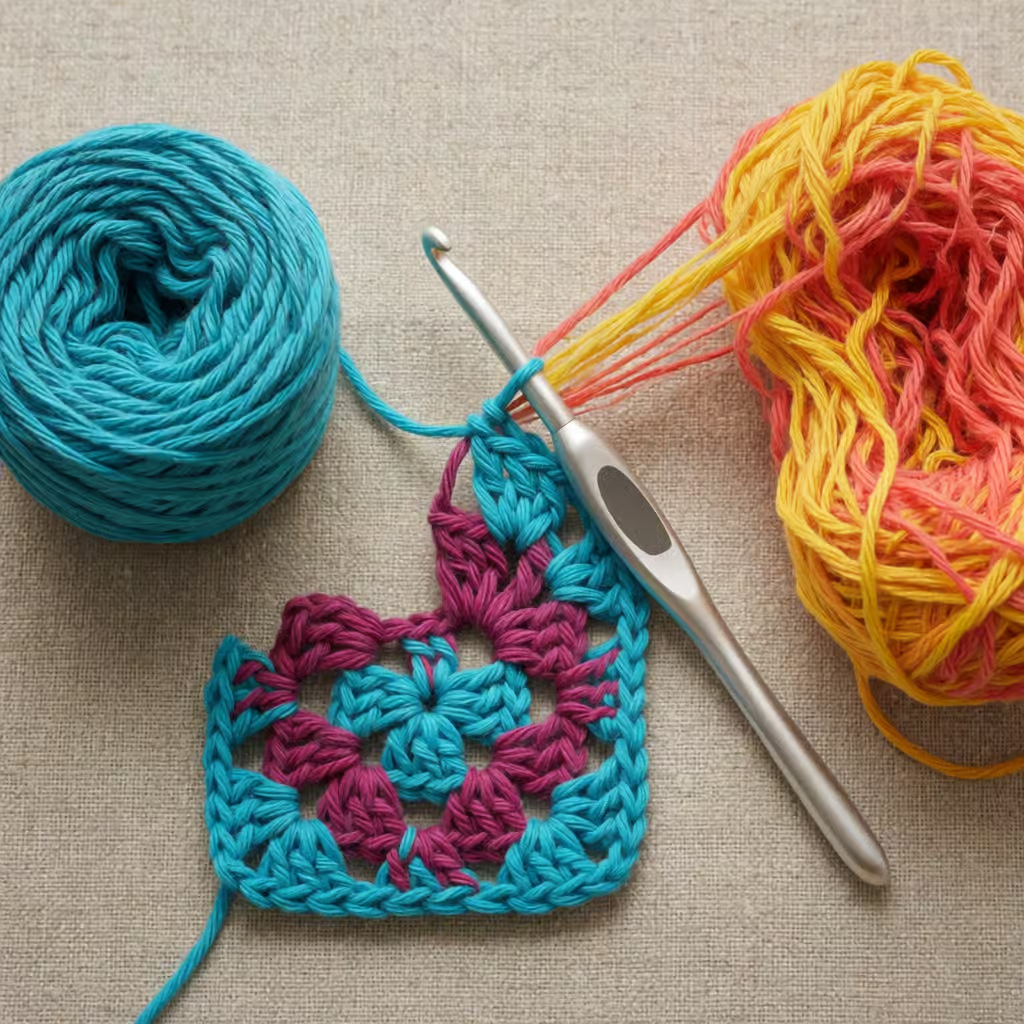
Why Incorrect Yarn Winding Causes Crochet Breaks and How
Published on 36 min readCrochetCompare AI models
#Beginners#Common Mistakes#Crochet#Practical Tips#Techniques
Crochet breaks happen when yarn is wound directly around the hand or the spool is turned counterclockwise. Both mistakes twist and severely tangle the yarn, halting your work mid-stitch. This issue is more common with cotton yarns, but the solution is simple and consistent: just use a yarn winder and follow the correct winding process.
How to Identify Incorrect Yarn Winding?
A break is a severe tangle that stops the yarn from flowing. You notice the problem while working when you pull the yarn to make a stitch, and it simply jams, not coming from the ball smoothly. Instead of a continuous flow, the yarn comes out in jerks or forms small knots that force you to stop and untangle.

For example, you’re crocheting calmly, and suddenly you need to use both hands to pull a tiny piece of yarn. Or the yarn forms such a tight loop that it looks like a knot, completely interrupting your project’s rhythm. From my experience, this happens absurdly often with cotton yarns wound without a yarn winder. Once, I used a cotton skein I’d wound by hand and had to fix breaks every three stitches. The frustration was so bad I set the project aside for a whole day.
A common mistake is thinking winding yarn around your hand is faster or more convenient. Actually, the time you save at the start is completely lost—and then some—when you have to undo knots every few centimeters. I tried sticking with this method for years, always thinking the next time would work, but the result was always the same: a stopped project and a tangled yarn. Only when I made the yarn winder a rule did breaks almost completely stop.
Other clear signs of poor winding are the ball coming undone while you work and the yarn breaking when pulled. The ball comes undone when the yarn isn’t wound with even pressure, creating loose areas that unravel. Breaking happens when the tension during winding was too high, weakening the yarn. I once broke a polyester yarn by winding it too tightly around my hand, and I had to undo over an hour of work on a scarf because the knot from the break was visible at the final stitch.
A simple check before starting any project saves a lot of time and frustration. Just pull about half a meter of yarn from the ball and see if it comes out smoothly and continuously, with no resistance. If it tangles, jams, or you feel like you have to pull hard, it’s a clear sign the ball needs to be rewound correctly.
What Is the Correct Process for Winding Crochet Yarn?
The correct method absolutely involves using a yarn winder and a yarn guide. The most common mistake among beginners is trying to wind yarn directly around their hand without a fixed support point. This manual movement introduces uncontrolled twists into the yarn, which will eventually turn into tangles.

The step-by-step process is straightforward:
- Prepare the source: Place the original yarn roll or skein inside a box, jar, or bowl. The goal is for it to spin freely on its own when you pull the yarn, without dragging across the table or falling to the floor.
- Create a guide: Pass the loose end of the yarn through a hole. It can be a hole you make in the box lid, a keyring hooked to the table, or even the legs of a turned-up chair. This guide prevents the yarn from tangling on its way from the source to the winder.
- Wind onto the winder: Start winding the yarn onto the winder, turning it always clockwise (to the right). This is the critical point. Turning counterclockwise is a classic mistake that causes twists in the yarn and, consequently, breaks.
- Test the flow: After forming the ball, remove it from the winder. Hold the ball in one hand and pull the yarn with the other. It should come out smoothly, without jamming or skipping. If it passes the test, it’s ready to use.
I use this technique for all my yarns, whether cotton, polyester, or acrylic, and I simply don’t have more problems. My setup is simple: the roll sits inside a plastic storage box, the yarn passes through a hole I made in the lid with scissors, and I use a manual plastic yarn winder. I turn clockwise, and the ball is compact, even, and—most importantly—the yarn flows perfectly while I work.
Manual yarn winders are cheap and an excellent investment for regular crocheters. Mine cost about twenty reais at a craft store and works for any project. A detail many people neglect is the pressure applied during winding. Pulling too hard risks breaking the yarn or leaving it so tight it loses elasticity. Pulling too little makes the ball loose, unraveling at the slightest movement. Finding the middle ground—firm, consistent pressure—is the key to a durable ball.
How to Avoid Breaks When Using Different Yarn Materials?
Each type of yarn has a characteristic that requires a small adjustment in approach. Cotton yarn, being a natural fiber with less elasticity, is more likely to tangle if not wound with extra care. Synthetic yarn, like polyester, is slippery and strong, but it can cause problems if the ball is too compact and hard, making it hard to pull out.
For cotton, the best strategy for me is to wind smaller balls. Instead of making one huge ball with the entire skein, I divide the yarn into portions of about 10 to 15 meters each. I wind one ball, use it up, and only then prepare the next. When I used to wind all the cotton into one big ball at once, breaks started appearing systematically every four or five stitches. Dividing the winding work into smaller steps eliminated this problem completely.
For synthetic yarns like polyester or acrylic, the main care is with compaction. Wind with a slightly lighter pressure than you would for cotton. The ball should be firm but not as hard as a rock. If when you pull the yarn you feel like you have to overcome initial resistance, it’s a sign you wound it too tightly. In that case, it’s worth loosening the ball in your hand, relieving the internal tension, before starting to crochet. To learn more about this, see How to Keep Yarn from Tangling While Crocheting Without Frustration.
How to Adjust Yarn Winding Mid-Project?
Discovering the ball is poorly wound when you’re already in the middle of a project doesn’t mean you have to undo everything and start over. You can make a " , " correction only on the problematic section. This technique is a lifesaver for large projects and avoids huge frustration.
The process works like this:
- Stop and find the source: As soon as you notice the first signs of poor winding—those small initial knots—stop crocheting. Mentally identify from which point in your work the yarn started causing problems.
- Undo carefully: Start undoing the stitches from the current point back to where you identified the start of the problem. Do this slowly, without pulling the yarn hard, to avoid making the existing tangles worse.
- Rewind the loose yarn: With the piece of yarn you freed by undoing the stitches, rewind it using the correct method. Take your yarn winder, pass the yarn through the guide, and wind it clockwise, forming a new small ball or incorporating the yarn back into the main ball.
- Resume work: Now, with the yarn correctly wound, recrochet the stitches you undid, taking care to maintain the same tension as the rest of the project.
This process requires a bit of patience, but it’s a relief to know the solution isn’t catastrophic. Making this adjustment is also an excellent exercise. Over time, you’ll start noticing signs of incorrect winding much earlier—maybe at the first small " : " of the yarn—and you can fix the problem when it’s still minor.
What Is the Biggest Mistake People Make When Trying to Avoid Breaks?
In my opinion, the biggest mistake is trying to fix the problem on the wrong side of the equation. People focus on how to pull the yarn differently, or on giving small tugs to the ball while working, or even on using products to lubricate the yarn. The root of the problem, however, is almost never in the act of crocheting but in how the yarn was prepared before work began. Spending energy trying to adapt your technique to a poorly made ball is inefficient. The real, simpler solution is to spend a few extra minutes in the preparation phase, winding the yarn correctly from the start. A well-wound ball practically eliminates the need for any corrective moves during the project.
Frequently Asked Questions
Can I Use a Pen or Pencil Instead of a Yarn Winder to Wind Yarn? You can, but it’s not recommended for avoiding breaks. A pen or pencil is cylindrical and thin, so you end up turning it with your fingers, repeating the manual movement that causes twists in the yarn. A yarn winder has a fixed central axis and a handle or rod that you turn, ensuring uniform clockwise movement. If you don’t have a yarn winder, a better temporary alternative is to tape a pencil to the table and use an empty yarn spool as a reel, turning it around the fixed pencil.
Is It True That the Direction of Spin Changes If the Yarn Is Twisted Right or Left? In crochet practice, this difference rarely matters for common commercial yarns. The standard direction that works for most craft yarns is turning the yarn winder clockwise. Trying to identify the original twist of the yarn and turning in the opposite direction to " , " it is a complex theory that, from my experience, only causes confusion and inconsistent results. The practical rule of always turning right is much more reliable and eliminates breaks.
*This text is for informational purposes and shares practical experiences. For complex projects or special yarns, consulting an experienced craftsperson may be valuable.*
You May Also Like
- How to Create Effective Rules to Limit Kids’ Screen Time
- How to Create Effective Rules to Limit Kids’ Screen Time
- What AirFryer Dinners Combine Flavor and Simplicity for Beginners?" , " : " : " , " , " : " : " , " , " : " : " , " , " : " : " , " , " : " : " , " , " : " : " , " , " : " : " , " , " : " : " , " , " : " : " , " , " : " : " , " , " : " : " , " , " : " : " , " , " : " : " , " , " : " : " , " , " : " : " , " , " : " : " , " , " : " : " , " , " : " : " , " , " : " : " , " , " : " : " , " , " : " : " , " , " : " : " , " , " : " : " , " , " : " : " , " , " : " : " , " , " : " : " , " , " : " : " , " , " : " : " , " , " : " : " , " , " : " : " , " , " : " : " , " , " : " : " , " , " : " : " , " , " : " : " , " , " : " : " , " , " : " : " , " , " : " : " , " , " : " : " , " , " : " : " , " , " : " : " , " , " : " : " , " , " : " : " , " , " : " : " , " , " : " : " , " , " : " : " , " , " : " : " , " , " : " : " , " , " : " : " , " , " : " : " , " , " : " : " , " , " : " : " , " , " : " : " , " , " : " : " , " , " : " : " , " , " : " : " , " , " : " : " , " , " : " : " , " , " : " : " , " , " : " : " , " , " : " : " , " , " : " : " , " , " : " : " , " , " : " : " , " , " : " : " , " , " : " : " , " , " : " : " , " , " : " : " , " , " : " : " , " , " : " : " , " , " : " : " , " , " : " : " , " , " : " : " , " , " : " : " , " , " : " : " , " , " : " : " , " , " : " : " , " , " : " : " , " , " : " : " , " , " : " : " , " , " : " : " , " , " : " : " , " , " : " : " , " , " : " : " , " , " : " : " , " , " : " : " , " , " : " : " , " , " : " : " , " , " : " : " , " , " : " : " , " , " : " : " , " , " : " : " , " , " : " : " , " , " : " : " , " , " : " : " , " , " : " : " , " , " : " : " , " , " : " : " , " , " : " : " , " , " : " : " , " , " : " : " , " , " : " : " , " , " : " : " , " , " : " : " , " , " : " : " , " , " : " : " , " , " : " : " , " , " : " : " , " , " : " : " , " , " : " : " , " , " : " : " , " , " : " : " , " , " : " : " , " , " : " : " , " , " : " : " , " , " : " : " , " , " : " : " , " , " : " : " , " , " : " : " , " , " : " : " , " , " : " : " , " , " : " : " , " , " : " : " , " , " : " : " , " , " : " : " , " , " : " : " , " , " : " : " , " , " : " : " , " , " : " : " , " , " : " : " , " , " : " : " , " , " : " : " , " , " : " : " , " , " : " : " , " , " : " : " , " , " : " : " , " , " : " : " , " , " : " : " , " , " : " : " , " , " : " : " , " , " : " : " , " , " : " : " , " , " : " : " , " , " : " : " , " , " : " : " , " , " : " : " , " , " : " : " , " , " : " : " , " , " : " : " , " , " : " : " , " , " : " : " , " , " : " : " , " , " : " : " , " , " : " : " , " , " : " : " , " , " : " : " , " , " : " : " , " , " : " : " , " , " : " : " , " , " : " : " , " , " : " : " , " , " : " : " , " , " : " : " , " , " : " : " , " , " : " : " , " , " : " : " , " , " : " : " , " , " : " : " , " , " : " : " , " , " : " : " , " , " : " : " , " , " : " : " , " , " : " : " , " , " : " : " , " , " : " : " , " , " : " : " , " , " : " : " , " , " : " : " , " , " : " : " , " , " : " : " , " , " : " : " , " , " : " : " , " , " : " : " , " , " : " : " , " , " : " : " , " , " : " : " , " , " : " : " , " , " : " : " , " , " : " : " , " , " : " : " , " , " : " : " , " , " : " : " , " , " : " : " , " , " : " : " , " , " : " : " , " , " : " : " , " , " : " : " , " , " : " : " , " , " : " : " , " , " : " : " , " , " : " : " , " , " : " : " , " , " : " : " , " , " : " : " , " , " : " : " , " , " : " : " , " , " : " : " , " , " : " : " , " , " : " : " , " , " : " : " , " , " : " : " , " , " : " : " , " , " : " : " , " , " : " : " , " , " : " : " , " , " : " : " , " , " : " : " , " , " : " : " , " , " : " : " , " , " : " : " , " , " : " : " , " , " : " : " , " , " : " : " , " , " : " : " , " , " : " : " , " , " : " : " , " , " : " : " , " , " : " : " , " , " : " : " , " , " : " : " , " , " : " : " , " , " : " : " , " , " : " : " , " , " : " : " , " , " : " : " , " , " : " : " , " , " : " : " , " , " : " : " , " , " : " : " , " , " : " : " , " , " : " : " , " , " : " : " , " , " : " : " , " , " : " : " , " , " : " : " , " , " : " : " , " , " : " : " , " , " : " : " , " , " : " : " , " , " : " : " , " , " : " : " , " , " : " : " , " , " : " : " , " , " : " : " , " , " : " : " , " , " : " : " , " , " : " : " , " , " : " : " , " , " : " : " , " , " : " : " , " , " : " : " , " , " : " : " , " , " : " : " , " , " : " : " , " , " : " : " , " , " : " : " , " , " : " : " , " , " : " : " , " , " : " : " , " , " : " : " , " , " : " : " , " , " : " : " , " , " : " : " , " , " : " : " , " , " : " : " , " , " : " : " , " , " : " : " , " , " : " : " , " , " : " : " , " , " : " : " , " , " : " : " , " , " : " : " , " , " : " : " , " , " : " : " , " , " : " : " , " , " : " : " , " , " : " : " , " , " : " : " , " , " : " : " , " , " : " : " , " , " : " : " , " , " : " : " , " , " : " : " , " , " : " : " , " , " : " : " , " , " : " : " , " , " : " : " , " , " : " : " , " , " : " : " , " , " : " : " , " , " : " : " , " , " : " : " , " , " : " : " , " , " : " : " , " , " : " : " , " , " : " : " , " , " : " : " , " , " : " : " , " , " : " : " , " , " : " : " , " , " : " : " , " , " : " : " , " , " : " : " , " , " : " : " , " , " : " : " , " , " : " : " , " , " : " : " , " , " : " : " , " , " : " : " , " , " : " : " , " , " : " : " , " , " : " : " , " , " : " : " , " , " : " : " , " , " : " : " , " , " : " : " , " , " : " : " , " , " : " : " , " , " : " : " , " , " : " : " , " , " : " : " , " , " : " : " , " , " : " : " , " , " : " : " , " , " : " : " , " , " : " : " , " , " : " : " , " , " : " : " , " , " : " : " , " , " : " : " , " , " : " : " , " , " : " : " , " , " : " : " , " , " : " : " , " , " : " : " , " , " : " : " , " , " : " : " , " , " : " : " , " , " : " : " , " , " : " : " , " , " : " : " , " , " : " : " , " , " : " : " , " , " : " : " , " , " : " : " , " , " : " : " , " , " : " : " , " , " : " : " , " , " : " : " , " , " : " : " , " , " : " : " , " , " : " : " , " , " : " : " , " , " : " : " , " , " : " : " , " , " : " : " , " , " : " : " , " , " : " : " , " , " : " : " , " , " : " : " , " , " : " : " , " , " : " : " , " , " : " : " , " , " : " : " , " , " : " : " , " , " : " : " , " , " : " : " , " , " : " : " , " , " : " : " , " , " : " : " , " , " : " : " , " , " : " : " , " , " : " : " , " , " : " : " , " , " : " : " , " , " : " : " , " , " : " : " , " , " : " : " , " , " : " : " , " , " : " : " , " , " : " : " , " , " : " : " , " , " : " : " , " , " : " : " , " , " : " : " , " , " : " : " , " , " : " : " , " , " : " : " , " , " : " : " , " , " : " : " , " , " : " : " , " , " : " : " , " , " : " : " , " , " : " : " , " , " : " : " , " , " : " : " , " , " : " : " , " , " : " : " , " , " : " : " , " , " : " : " , " , " : " : " , " , " : " : " , " , " : " : " , " , " : " : " , " , " : " : " , " , " : " : " , " , " : " : " , " , " : " : " , " , " : " : " , " , " : " : " , " , " : " : " , " , " : " : " , " , " : " : " , " , " : " : " , " , " : " : " , " , " : " : " , " , " : " : " , " , " : " : " , " , " : " : " , " , " : " : " , " , " : " : " , " , " : " : " , " , " : " : " , " , " : " : " , " , " : " : " , " , " : " : " , " , " : " : " , " , " : " : " , " , " : " : " , " , " : " : " , " , " : " : " , " , " : " : " , " , " : " : " , " , " : " : " , " , " : " : " , " , " : " : " , " , " : " : " , " , " : " : " , " , " : " : " , " , " : " : " , " , " : " : " , " , " : " : " , " , " : " : " , " , " : " : " , " , " : " : " , " , " : " : " , " , " : " : " , " , " : " : " , " , " : " : " , " , " : " : " , " , " : " : " , " , " : " : " , " , " : " : " , " , " : " : " , " , " : " : " , " , " : " : " , " , " : " : " , " , " : " : " , " , " : " : " , " , " : " : " , " , " : " : " , " , " : " : " , " , " : " : " , " , " : " : " , " , " : " : " , " , " : " : " , " , " : " : " , " , " : " : " , " , " : " : " , " , " : " : " , " , " : " : " , " , " : " : " , " , " : " : " , " , " : " : " , " , " : " : " , " , " : " : " , " , " : " : " , " , " : " : " , " , " : " : " , " , " : " : " , " , " : " : " , " , " : " : " , " , " : " : " , " , " : " : " , " , " : " : " , " , " : " : " , " , " : " : " , " , " : " : " , " , " : " : " , " , " : " : " , " , " : " : " , " , " : " : " , " , " : " : " , " , " : " : " , " , " : " : " , " , " : " : " , " , " : " : " , " , " : " : " , " , " : " : " , " , " : " : " , " , " : " : " , " , " : " : " , " , " : " : " , " , " : " : " , " , " : " : " , " , " : " : " , " , " : " : " , " , " : " : " , " , " : " : " , " , " : " : " , " , " : " : " , " , " : " : " , " , " : " : " , " , " : " : " , " , " : " : " , " , " : " : " , " , " : " : " , " , " : " : " , " , " : " : " , " , " : " : " , " , " : " : " , " , " : " : " , " , " : " : " , " , " : " : " , " , " : " : " , " , " : " : " , " , " : " : " , " , " : " : " , " , " : " : " , " , " : " : " , " , " : " : " , " , " : " : " , " , " : " : " , " , " : " : " , " , " : " : " , " , " : " : " , " , " : " : " , " , " : " : " , " , " : " : " , " , " : " : " , " , " : " : " , " , " : " : " , " , " : " : " , " , " : " : " , " , " : " : " , " , " : " : " , " , " : " : " , " , " : " : " , " , " : " : " , " , " : " : " , " , " : " : " , " , " : " : " , " , " : " : " , " , " : " : " , " , " : " : " , " , " : " : " , " , " : " : " , " , " : " : " , " , " : " : " , " , " : " : " , " , " : " : " , " , " : " : " , " , " : " : " , " , " : " : " , " , " : " : " , " , " : " : " , " , " : " : " , " , " : " : " , " , " : " : " , " , " : " : " , " , " : " : " , " , " : " : " , " , " : " : " , " , " : " : " , " , " : " : " , " , " : " : " , " , " : " : " , " , " : " : " , " , " : " : " , " , " : " : " , " , " : " : " , " , " : " : " , " , " : " : " , " , " : " : " , " , " : " : " , " , " : " : " , " , " : " : " , " , " : " : " , " , " : " : " , " , " : " : " , " , " : " : " , " , " : " : " , " , " : " : " , " , " : " : " , " , " : " : " , " , " : " : " , " , " : " : " , " , " : " : " , " , " : " : " , " , " : " : " , " , " : " : " , " , " : " : " , " , " : " : " , " , " : " : " , " , " : " : " , " , " : " : " , " , " : " : " , " , " : " : " , " , " : " : " , " , " : " : " , " , " : " : " , " , " : " : " , " , " : " : " , " , " : " : " , " , " : " : " , " , " : " : " , " , " : " : " , " , " : " : " , " , " : " : " , " , " : " : " , " , " : " : " , " , " : " : " , " , " : " : " , " , " : " : " , " , " : " : " , " , " : " : " , " , " : " : " , " , " : " : " , " , " : " : " , " , " : " : " , " , " : " : " , " , " : " : " , " , " : " : " , " , " : " : " , " , " : " : " , " , " : " : " , " , " : " : " , " , " : " : " , " , " : " : " , " , " : " : " , " , " : " : " , " , " : " : " , " , " : " : " , " , " : " : " , " , " : " : " , " , " : " : " , " , " : " : " , " , " : " : " , " , " : " : " , " , " : " : " , " , " : " : " , " , " : " : " , " , " : " : " , " ,
Frequently asked questions
How to wind crochet thread so it doesn't tangle?
The correct method requires using a spool and a guide for the thread. Place the original bobbin in a box to spin freely, pass the thread through a guide hole, and wind it onto the spool while always turning clockwise. This prevents the twists that cause tangles.
Why does crochet thread keep knotting?
This happens mainly because of winding the thread directly in the hand or turning the spool counterclockwise. These mistakes make the thread twist and tangle severely, stopping the work mid-stitch. The problem is more common with cotton threads.
What to do when the thread is already tangled in the middle of the project?
You can fix it without undoing everything. Stop crocheting, find where the problem started, and undo the stitches back to that point. Then, rewind the loose thread using the correct method with the spool turned clockwise, and resume working.