
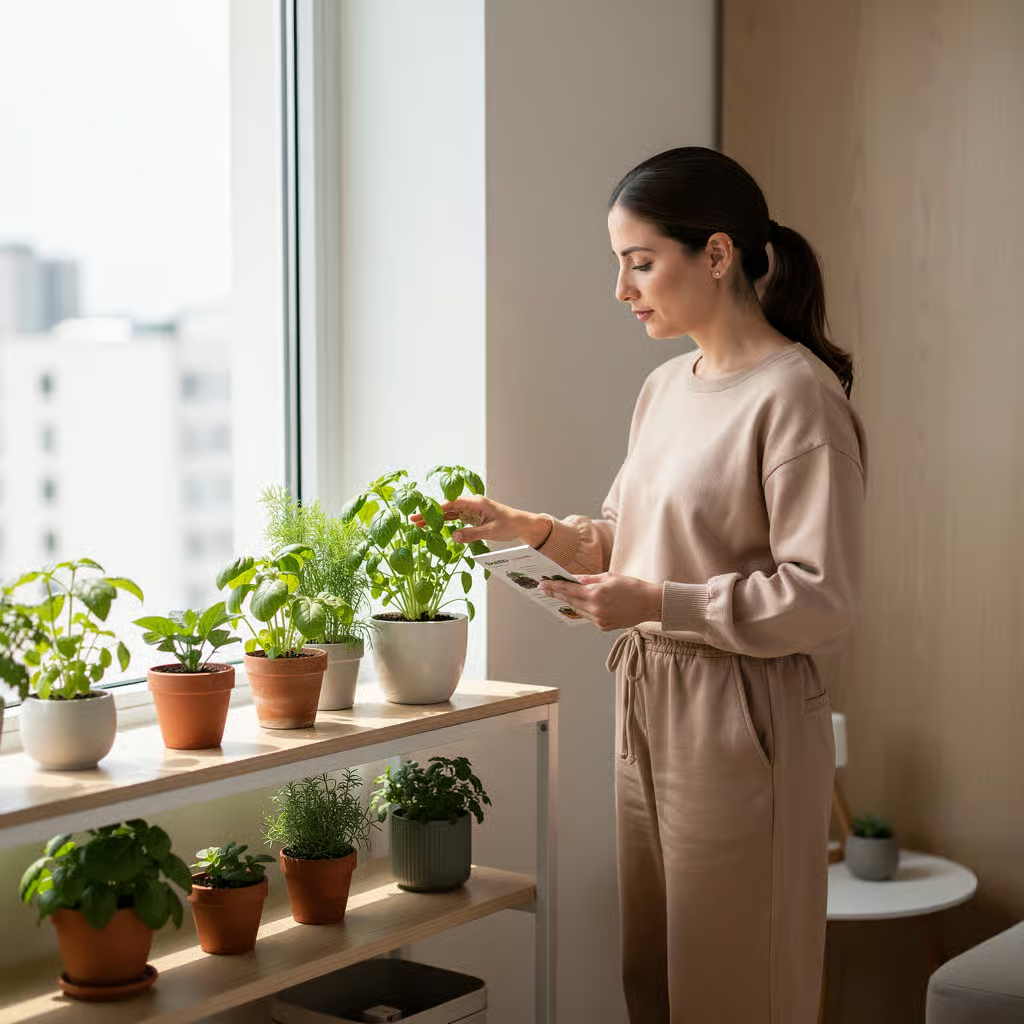
Growing a productive apartment garden is absolutely achievable with just a few containers and 4-6 hours of sunlight daily. Focus on compact varieties like herbs and leafy greens—basil and lettuce have worked particularly well in my 600-square-foot space. The key lies in carefully matching plants to your specific light conditions and resisting the urge to overcrowd containers, which is the mistake I see most beginners make. Starting small helps you learn your space's unique quirks before expanding.
What's the best way to start small with apartment gardening?
Begin with just two herb plants in 12-inch containers—basil's forgiving nature makes it ideal for beginners. After successfully maintaining these for a few weeks, add one leafy green like spinach in a separate planter. When I first started, I planted six different herbs together in a single window box; the mint aggressively overtook everything within weeks. Give each plant its own container with proper drainage and observe how it responds to your apartment's conditions before adding more.
How do you select the right plants for limited space and light?
Prioritize plants labeled 'patio', 'dwarf', or 'compact' varieties bred specifically for containers. Five categories consistently perform well indoors:
- Culinary herbs (basil thrives with minimal space)
- Salad greens (butterhead lettuce grows well in shallow soil)
- Small-root vegetables (radishes develop quickly)
- Bush cherry tomatoes
- Compact pepper varieties
Avoid plants needing deep soil (like carrots) or those that spread aggressively—even 'compact' oregano requires frequent pruning. Through trial and error, I've found that nursery labels sometimes overpromise on space requirements.
What container features matter most for indoor gardening?
Effective containers require:
- Multiple drainage holes (at least 3-5 per pot)
- Appropriate depth (6-8" for herbs, 10-12" for vegetables)
- Lightweight materials if using shelves
- Protective saucers
Fabric grow bags have worked exceptionally well for my herbs, while self-watering plastic containers prevent overwatering with greens. Surprisingly, beautiful ceramic pots without proper drainage caused root rot in my basil within three weeks—function matters more than form in small-space gardening.
How can you maximize limited natural light in apartments?
Most edible plants need 4-6 hours of direct sunlight, which you can achieve through:
- South-facing windows for sun-loving plants
- East/west exposures for herbs and greens
- Reflective surfaces to amplify existing light
- Weekly plant rotation
When my north-facing apartment provided insufficient light, a simple 15W LED grow light for 3 hours daily kept my basil alive through winter without overheating the space. The difference in growth was noticeable within days.
What's the most reliable watering method for beginners?
The finger test remains foolproof: insert your index finger to the first knuckle—water only if dry. Herbs typically need watering every 2-3 days, while greens in small containers may require daily checks. I track each plant's needs in a basic spreadsheet because watering frequency varies dramatically between my sunny balcony plants and the shadier kitchen specimens. Overwatering kills more apartment plants than underwatering.
What are the most common apartment garden issues and solutions?
Watch for these telltale signs:
- Yellowing lower leaves indicate overwatering
- Leggy, stretched growth suggests insufficient light
- Sticky residue means insect infestation
- White powdery coating signals fungal issues
My worst gardening failure came from ignoring spacing recommendations—placing containers too close together caused a mildew outbreak that wiped out an entire crop. Now I maintain at least 6 inches between plants for airflow, even in tight spaces.
How do you transition from beginner to intermediate apartment gardening?
Once you've mastered basic herbs, try succession planting—sowing new seeds every 2-3 weeks for continuous harvests. I now stagger my lettuce plantings so I always have fresh greens. Another progression is experimenting with vertical space; mounting wall planters doubled my growing area without cluttering floorspace.
Start with just a few plants to understand your unique conditions before expanding. The satisfaction of harvesting homegrown herbs outweighs the challenges—my first basil harvest transformed ordinary pasta into something extraordinary.
*This guide offers general gardening advice. For specific recommendations about your plants and growing conditions, consult with a local gardening expert or extension service.*