
How to Start a Small-Space Garden for Beginners
Published on 8 min readHome and GardenCompare AI models
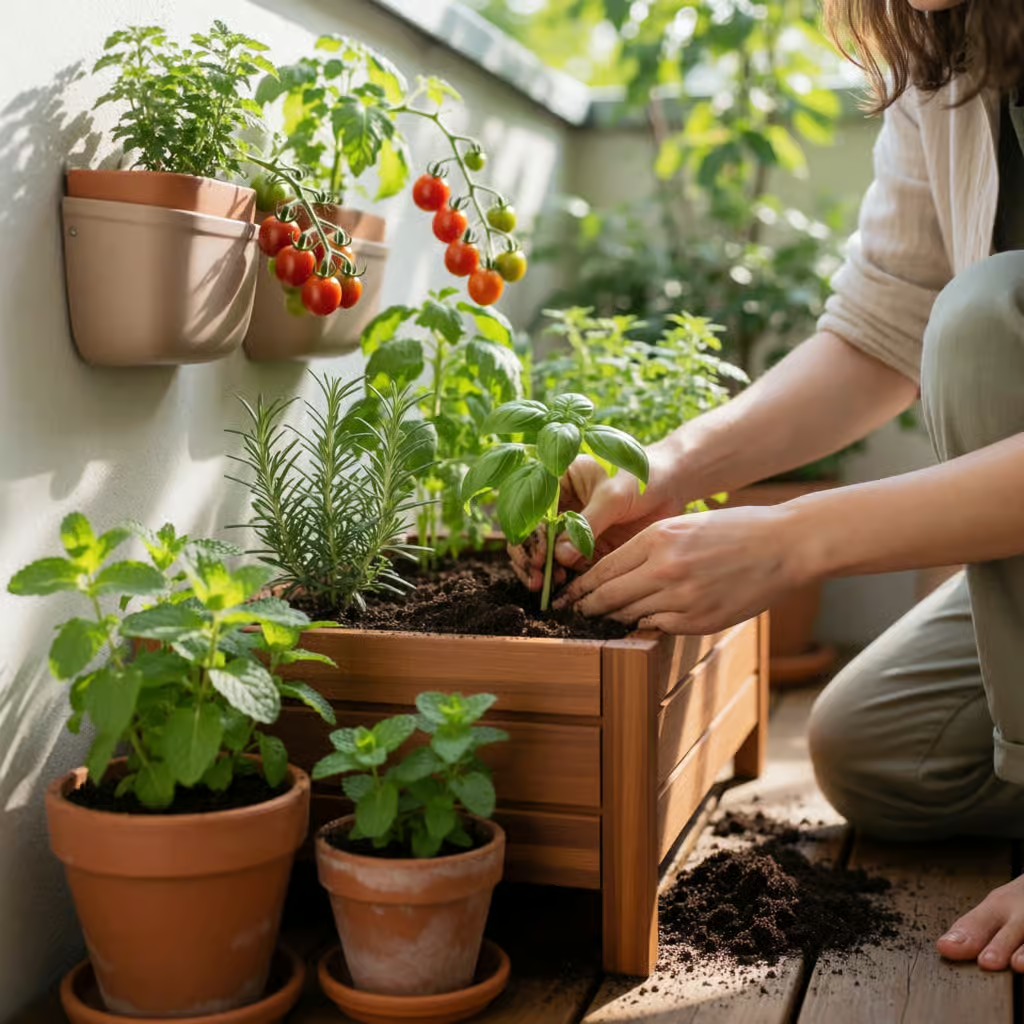
Yes, you can start a small-space garden even without experience. The key is using small containers and choosing plants that thrive in pots, like herbs and leafy greens. A spot that gets at least 4 hours of direct sunlight daily—such as a windowsill or balcony—is enough for most small-growing vegetables. If you don't have floor space, use shelves, wall mounts, or even vertical structures to maximize usable area.
The most common mistake I see beginners make is trying to grow everything at once or choosing plants that simply don't adapt to indoor environments, like tomatoes or pumpkin vines. Start with two or three species to learn the watering routine and observe growth. The beauty of a small garden is that it requires few resources, and if something goes wrong, you can restart without major losses.
How to Choose Containers for a Small-Space Garden?
Containers for a garden are basically any container that can hold soil and support root growth. They're the solution for growing in spaces without a fixed plot, like balconies, porches, or even indoors. You don't need to buy expensive pots. Clean paint cans, ice cream buckets, plastic pots, or even lined wooden crates with holes drilled in the bottom can work. To go deeper on this point, see How to Choose the Right Pots for Apartment Gardening Without Mistakes?.

The most important criterion is that the container has drainage holes at the base. Without drainage, water accumulates at the bottom, roots rot, and the plant dies. If your chosen pot doesn't have holes, make some with a drill or a heated nail over the stove. Another point is size. For the most beginner-friendly plants, pots with at least 15 to 20 centimeters of depth are sufficient. Herbs like mint, arugula, and chives do well in this size.
I prefer plastic or coir pots to start with because they're lighter and easier to move. Clay or ceramic pots are pretty, but they're heavier, and the soil dries out quickly, requiring more frequent watering—which can be a problem if you travel or forget easily.
What Soil and Fertilizer to Use?
Don't use common garden soil. It's too compact for pots, doesn't drain well, and can bring pests or weed seeds. For container gardens, you need a specific growing medium. A growing medium is a pre-mixed blend that's light, aerated, and balances nutrient and moisture retention.

You can find pre-mixed growing mediums for vegetables at gardening or farm supply stores. It may seem like an extra expense, but it makes a huge difference in plant success. A homemade option that works is mixing one part sieved topsoil, one part organic compost or worm castings, and one part a loosening material like rice husk biochar or perlite. This mix ensures roots breathe and water circulates.
As for nutrition, the initial growing medium already has some nutrients, but plants in pots exhaust these quickly. That's why you need to do top-ups. I recommend starting with organic fertilizers, which are safer for beginners and don't burn roots easily. Worm castings are excellent: you can add a layer on top of the soil every 30 to 40 days. Another practical option is castor cake or bone meal, applied according to the package instructions.
What Are the Best Plants to Start With?
Choosing the right plants separates a frustrating experience from a successful harvest. In a small space and for beginners, focus on short-cycle plants that don't need much root space and are frequently used. For now, avoid large fruiting plants or deep-rooted ones like carrots.

Here's a small table with some almost-foolproof options:
| Plant | Sun Requirement | Time to First Harvest | Special Tip |
|---|---|---|---|
| Lettuce (leafy) | 4-6 hours | 30-40 days | Harvest outer leaves, leaving the center to grow. |
| Arugula | 4-6 hours | 25-35 days | Grows very quickly; prefers consistently moist soil. |
| Cilantro | 4+ hours | 60-80 days (from seed) | Easier to start with a seedling. It's perennial and will produce for a long time. |
| Basil | 6+ hours | 50-60 days | Cut the top shoots to keep it bushy and prevent early flowering. |
| Chives | 4+ hours | 60-90 days (from seed) | Also perennial; harvest by cutting at the base, and it will regrow. |
I always suggest starting with arugula or leaf lettuce. You'll see results in a few weeks, which is very motivating. Buy high-quality seeds or, for faster results, invest in herb seedlings. It's a bit more expensive, but you leave the store with a ready-to-grow plant.
How and When to Water Your Small Garden?
Watering is where most people go wrong, either over or under. The basic rule is: water when the top inch of soil feels dry to the touch. Stick your finger into the soil up to the first knuckle. If it comes out clean and dry, it's time. If it comes out with wet soil clinging to it, wait another day.
Small pots dry out faster than large ones, so on very hot or windy days, you may need to water daily. On cold or cloudy days, you might only need to water every two or three days. The best time to water is early morning or late afternoon, avoiding the strong midday sun, which causes water to evaporate quickly and can burn leaves if they're wet.
Use a watering can with a fine nozzle to direct water to the base of the plant, moistening the soil without wetting the leaves. Wetting leaves excessively can encourage fungal growth. And remember: water until you see water start to drain through the drainage holes, ensuring moisture reaches the bottom of the pot.
How to Deal With Pests and Common Issues?
In indoor or balcony environments, the most common pests are aphids (small green or black insects on the undersides of leaves) and sometimes whiteflies (small white, moth-like insects or white cottony spots). The first step is regular inspection. Check your plants every two or three days, flipping leaves over.
If you find a few bugs, the simplest solution is a strong spray of water from a hose or a spray bottle to knock them off. For slightly larger infestations, you can make a homemade soap solution. Dissolve one teaspoon of castile soap (unscented) in one liter of water. Spray the affected leaves, especially the undersides, every three days. The soap breaks down the insects' protective layer.
A common mistake is thinking any yellow leaf is a pest sign. Often, yellowing is a sign of overwatering (root rot) or nutrient deficiency. Before treating with anything, check the soil moisture and think about when you last fertilized.
What's the Next Step After the First Harvest?
After you harvest your first leaves and herbs, the plant will continue its growth cycle. For leafy plants like lettuce and arugula, you can make multiple harvests until the plant starts to bolt (flower). When that happens, the leaves become bitter—it's a sign the cycle is ending. It's time to pull it up and plant something new in the pot.
For perennial herbs like cilantro, chives, and basil, regular harvesting stimulates growth. Whenever you use them, cut with scissors instead of pulling by hand. For basil, pinch off the top sets to encourage branching and prevent it from getting tall and weak.
Over time, you'll want to try new plants or even optimize your space with a vertical garden, using pocket panels or a simple trellis for climbing herbs like Japanese cucumber. But the immediate next step, once your first plants are established, is simply observing and building the habit. A garden teaches you nature's rhythm, which is slower and more patient than ours. The honest truth is that not everything works out the first time, and that's part of the process.
Frequently Asked Questions
Can I use tap water to water the garden? Yes, tap water is generally safe. The chlorine present evaporates if you let the water sit in a bucket for 24 hours before using, which is a good practice but not necessary for most plants. The biggest concern is temperature—avoid watering with water straight from the tap on very hot days, as the temperature shock can stress the roots. Let the water reach room temperature.
How often do I need to fertilize the plants? It's not weekly, but by cycle. For organic fertilizers like worm castings, one application every 30 to 40 days is enough. Over-fertilizing, especially with chemical products, can
See also
Frequently asked questions
Can I use any pot to make a garden?
Yes, you can use containers like cans, buckets, or plastic pots, as long as they have drainage holes in the bottom to prevent root rot. The ideal size to start with herbs is at least 15 to 20 centimeters deep.
What kind of soil should I put in the pots?
Don't use common garden soil, as it compacts and doesn't drain well. For container gardens, use a specific vegetable substrate that's light and airy. A homemade option is to mix topsoil, organic compost, and a loosening material like rice husk charcoal.
How often do I need to fertilize the plants?
For organic fertilizers like worm humus, one application every 30 or 40 days is enough. Over-fertilizing can burn the roots, so follow the package instructions and check if growth is slow or leaves are pale to boost nutrition.