
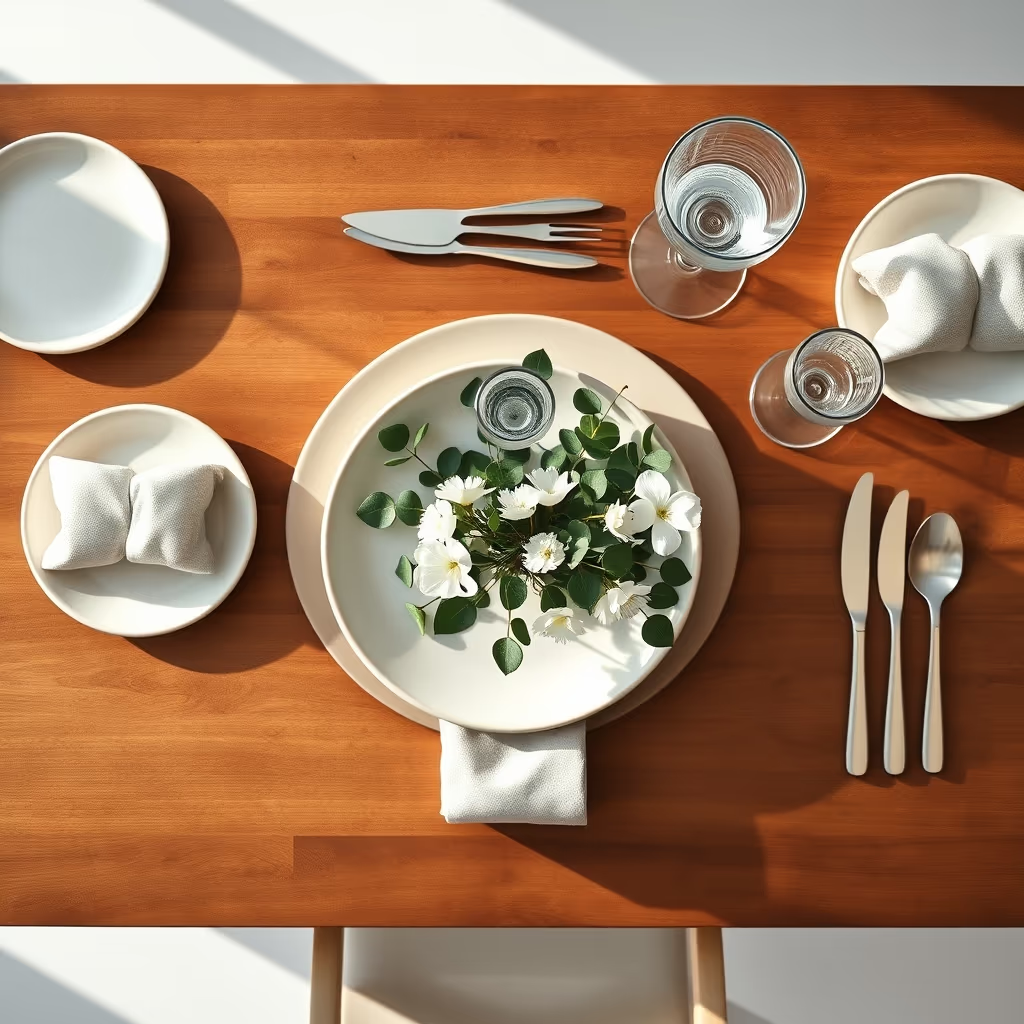
5 Common Mistakes That Undermine Your Table Setting
Published on Updated on 4 min readTable SettingCompare AI models
Setting a table is a way to show care and attention to detail. Whether for a quick family breakfast or a formal dinner with friends, the way we organize the elements on the table directly influences the experience of those sitting there. However, no matter how good the intention, small slips can break the harmony of the environment and even cause discomfort to guests.
In this article, we will explore the most frequent mistakes that tend to happen during assembly and, most importantly, how you can correct them to ensure a flawless reception.
1. Pattern conflicts and excessive colors
One of the most common mistakes is trying to use all the decorative items at once. If your placemat is patterned, the plate has colored edges, the napkin has designs, and the table runner also has a strong print, the visual result will be confusion, not elegance.
How to avoid: * The rule of balance: If you choose a piece with a lot of visual information (such as a detailed plate), keep the rest of the elements more neutral. * Use complementary colors: Instead of trying to match identical colors, try using tones that talk to each other, such as navy blue with beige, or olive green with terracotta. * Textures instead of patterns: If you want to bring visual interest without cluttering the table, bet on textures. A linen napkin with a visible weave brings sophistication without clashing with the plate.
2. Inadequate centerpiece height
The centerpiece is the heart of the decoration, but it has a function that goes beyond aesthetics: it cannot be an obstacle to communication. A classic mistake is choosing flower arrangements or decorative objects so tall that they prevent people from seeing each other during the meal. To go deeper on this point, see Why Napkins Transform Every Meal.
"A set table should serve as a facilitator of encounters, not as a barrier between guests."
How to avoid: * Keep the focus low: Prefer low flower arrangements or candle compositions of different heights that do not exceed the eye level of those sitting down. * Maneuvering space: Ensure that the arrangement does not occupy the space where plates or drinks will be placed, leaving the table functional.
3. Incorrect positioning of cutlery and utensils
Although rules are more flexible at a casual dinner, a lack of logic in the arrangement of utensils can confuse guests and give an impression of disorganization. The mistake here is not just aesthetic, but functional.
How to avoid: * The golden rule (from outside in): Cutlery should be arranged in the order they will be used. The outermost ones are for appetizers and the ones closest to the plate are for the main course. * Fork on the left, knife on the right: Remember that the cutting edge of the knife should always face the plate. The soup spoon goes to the right of the knife. * Plates and napkins: The plate should be centered in front of the chair, and the napkin can be placed on the plate or next to the forks.
4. Neglecting comfort and individual space
Sometimes, we focus so much on the beauty of the table that we forget it is a place for use. A table that is too full, with many decorative objects, can leave little space for plates, glasses, and, most importantly, for the guests themselves to move their arms and utensils.
How to avoid: * Less is more: Evaluate if every item on the table is truly necessary. If space is getting tight, remove some decorative elements. * Distance between chairs: Ensure there is enough space for people to sit and stand without bumping excessively into their neighbors. * Attention to glasses: Position the glasses so they are not in the way of those using the cutlery.
5. Ignoring the harmony between style and occasion
There is no greater mistake than a table that seems "out of place." Setting an extremely formal table with fine porcelain and silverware for a relaxed Sunday lunch in the backyard can create a rigid and uncomfortable atmosphere. Similarly, using very simple items in a special celebration can convey an image of carelessness.
How to avoid: * Define the tone of the occasion: Before you start setting, ask yourself: what is the mood of this gathering? Is it something intimate and relaxed or an event that calls for more etiquette? * Adapt the materials: For casual events, use straw placemats, artisanal ceramics, and cotton napkins. For formal events, bet on noble fabric tablecloths, crystals, and silver.
Checklist for a successful table
To avoid mistakes next time, keep this small checklist in mind:
- [ ] Do the decorative elements allow for eye contact between guests?
- [ ] Are the colors and patterns in harmony or are they clashing?
- [ ] Is the cutlery in the correct order of use?
- [ ] Is there enough space for each guest to settle in comfortably?
- [ ] Does the style of the table match the type of meal being served?
Setting a table is a constant learning process. Don't be afraid to test new combinations and, above all, remember that the most important element of any table is good company and the pleasure of sharing the moment.
Frequently asked questions
How do I stop my table setting from looking messy and cluttered?
Avoid using all your patterned or colorful items at once. Keep the rest of the elements neutral if one piece, like a plate, has a lot of detail. You can also use complementary colors or add visual interest through textures, like a linen napkin, instead of multiple patterns.
What's the right height for a centerpiece so people can talk?
Choose low arrangements that don't block eye contact. The centerpiece should not exceed the eye level of seated guests. Also, make sure it doesn't take up space needed for plates or drinks, keeping the table functional.
Where do I put the forks and knives on the table?
Place forks on the left and knives on the right, with the knife blade facing the plate. Arrange cutlery in the order it will be used, starting from the outside in. The soup spoon goes to the right of the knife.